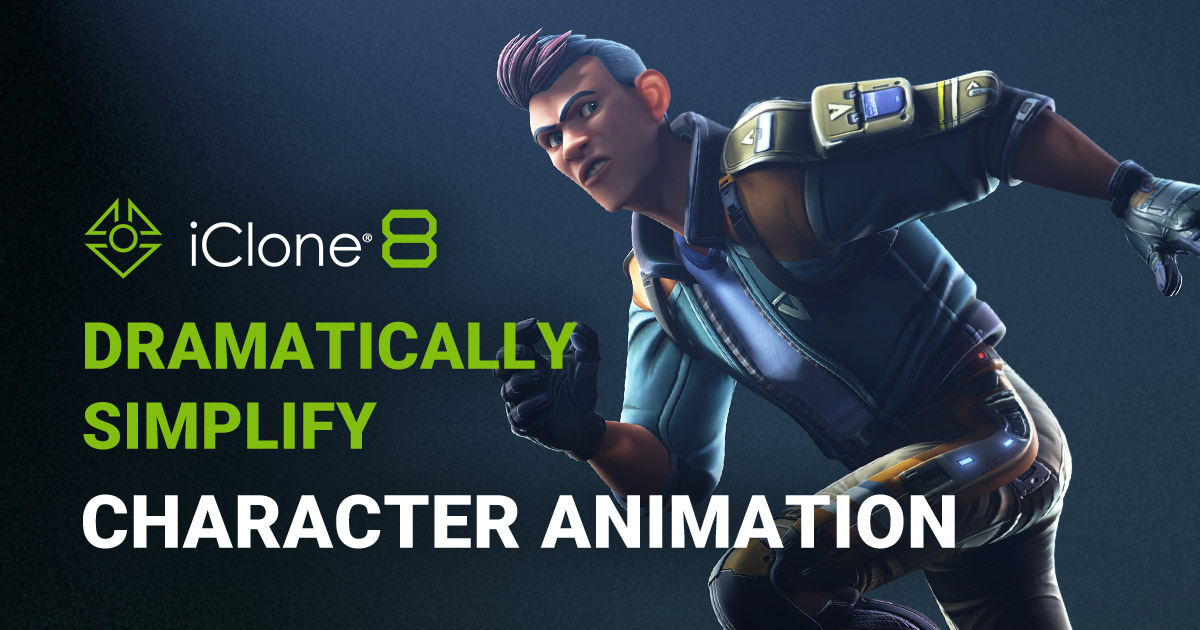
The Power of Physics-Based 3D Animation: Crafting Realistic Motion and Exploring Future Trends
In the dynamic world of digital content creation, achieving truly lifelike character movement and object interaction is often the holy grail for animators. From blockbuster films and immersive video games to product visualization and architectural walkthroughs, the demand for compelling, believable visuals has never been higher. At the heart of this visual revolution lies powerful **3d animation software**, a versatile toolkit that empowers creators to design, model, and bring characters and environments to life in a three-dimensional space. While traditional animation methods have served us well for decades, the advent of physics-based animation is now ushering in an era of unprecedented realism and efficiency, fundamentally changing how we approach motion.
The Foundation: Understanding 3D Animation Software
At its core, **3d animation software** is a sophisticated digital workspace where artists sculpt, texture, rig, and animate digital assets. These tools are indispensable across a multitude of industries, extending far beyond entertainment:
- Gaming: For game developers, 3D animation software is crucial for creating immersive worlds, dynamic characters, and fluid gameplay. Realistic movements enhance player engagement and belief in the virtual environment.
- Film and Television: From character performance and intricate visual effects (VFX) to pre-visualization and entire animated features, 3D tools are central to modern cinematic storytelling.
- Architecture and Engineering: Professionals use this software for realistic architectural renderings, virtual walkthroughs, and complex engineering simulations, allowing clients to experience spaces and designs before they are built.
- Marketing and Advertising: Businesses leverage 3D animation for captivating product visualizations, interactive prototypes, and engaging promotional content. This not only brings product ideas to life for potential customers but also facilitates internal design adjustments and even new employee training through visual aids. For more insights into these applications, explore our article on Unlock Visuals: 3D Animation Software for Gaming, Film & Business.
The landscape of 3D animation tools is vast and ever-evolving, with options ranging from free, open-source platforms to industry-standard professional suites. Choosing the right software is a critical decision, dependent on specific needs, project goals, skill level, and budget. Factors like unique features, ease of use, pricing models (free, subscription, one-time purchase), and community support all play a vital role. The industry is also rapidly embracing advancements like AI integration and real-time rendering, which continue to redefine what's possible and make the selection process even more nuanced.
Bridging the Reality Gap: The Evolution of Character Animation
For decades, animators have wrestled with the challenge of creating believable character motion. Two primary methods have dominated the scene, each with its distinct advantages and limitations.
The Traditional Divide: Manual vs. Motion Capture
Before the rise of physics-based solutions, animators typically chose between these two distinct approaches:
- Manual (Keyframe) Animation: This traditional method involves animators meticulously setting "keyframes" – specific poses at different points in time – and the software then interpolates the movement between them.
- Advantages: Offers unparalleled artistic control, allowing for highly stylized, expressive, and fantastical movements that defy real-world physics. It provides complete freedom for creative interpretation and character personality.
- Disadvantages: Extremely time-consuming and labor-intensive, especially for complex or lengthy sequences. Achieving genuine physical realism – like believable weight, balance, and impact – through manual keyframing alone is incredibly challenging and often results in movements that can feel "floaty" or unnatural to the discerning eye.
- Motion Capture (MoCap): This technique involves recording the movements of a live actor and mapping that data onto a digital character rig.
- Advantages: Produces highly realistic and nuanced human movement data with relative speed, especially for complex sequences like walking, running, or fight choreography. It significantly reduces the manual labor involved in creating fluid motion.
- Disadvantages: Can be expensive, requiring specialized equipment, dedicated studio space, and skilled actors. It also comes with physical limitations, as only movements performable by a human actor can be captured. Furthermore, the raw data often requires extensive "cleanup" to remove glitches and adapt it to the digital character, and while realistic, it can sometimes lack the specific expressive qualities a human animator might imbue.
The "Third Way": Physics-Based Animation
Recognizing the inherent trade-offs between manual control and raw realism, a new paradigm has emerged: physics-based animation. This innovative approach offers a powerful solution by integrating real-world physics principles directly into the animation workflow. Instead of choosing between expressive manual animation and realistic but constrained motion capture, animators can now combine the best of both worlds.
A prime example of this revolutionary approach is Cascadeur, developed by Nekki, the creators behind popular games like Vector and Shadow Fight. With over 500 million registered users for their games, Nekki deeply understood the needs of animators for both realism and control.
Here’s how physics-based animation, as exemplified by tools like Cascadeur, works and why it's a game-changer:
- Intelligent Assistance: Animators can still create their keyframes manually, but instead of simply interpolating between them, the software's physics engine calculates the natural, physically accurate movements for the in-between frames. This ensures that characters maintain proper balance, react realistically to gravity, collisions, and external forces, and convey believable weight.
- Hybrid Workflow: Animators can manually pose characters, and then the software "corrects" those poses and movements to be physically plausible. Alternatively, they can adjust existing motion capture data or other animations, applying physics to refine and enhance their realism without re-recording. This allows for both creative freedom and fundamental accuracy.
- Enhanced Realism Without MoCap: Physics-based tools enable the creation of highly realistic animations for a vast array of characters—humans, animals, fantastical creatures—without the need for expensive motion capture technology or the limitations of human performers. This democratizes access to high-fidelity animation.
- Efficiency and Iteration: By automating the complex physics calculations, animators can iterate faster, experiment more, and achieve convincing results in a fraction of the time it would take with purely manual methods.
- Accessibility: Tools like Cascadeur offer robust learning resources, including numerous tutorials for beginners and advanced users, alongside an active community on platforms like Discord. This support system, combined with free versions for non-commercial users and small enterprises, makes sophisticated physics animation accessible to a wider audience.
- Workflow Integration: These tools are designed to fit seamlessly into existing production pipelines, supporting common data formats like FBX/DAE for easy import and export to other popular 3D animation software.
This "third way" fundamentally shifts the animation paradigm, offering a powerful blend of artistic control and scientific accuracy, making believable character performance more attainable than ever before.
The Future of Motion: AI, Real-time, and Beyond
The landscape of 3D animation is in constant flux, with groundbreaking advancements continuously pushing the boundaries of creativity and efficiency. Looking ahead, several key trends are set to define the future of realistic motion and **3d animation software**:
Artificial Intelligence in Animation Workflows
AI is rapidly integrating into various stages of the animation pipeline. Expect to see:
- Automated Rigging and Skinning: AI can significantly speed up the tedious process of preparing characters for animation, intelligently creating skeletal structures and skin weighting with minimal human intervention.
- Motion Synthesis and Generation: Advanced AI models are capable of generating new, unique animations from existing motion data or even from simple text prompts, offering an unprecedented level of efficiency and creative exploration.
- Intelligent Physics Solvers: AI can enhance physics engines, making simulations even more robust, faster, and capable of handling increasingly complex interactions and environments with greater accuracy.
- Facial Animation and Lip-Sync: AI tools are becoming adept at generating highly realistic facial expressions and perfectly synchronized lip movements from audio input, further closing the realism gap.
Real-time Rendering and Virtual Production
The ability to render high-quality visuals instantly is transforming how content is created and consumed:
- Game Engines as Film Tools: Platforms like Unreal Engine are not just for games anymore; they are becoming powerful tools for real-time cinematics, virtual production, and even full-length animated features. This allows directors and animators to see their work in its final rendered state immediately, streamlining iteration and creative decision-making.
- Interactive Experiences: Real-time rendering is crucial for virtual reality (VR), augmented reality (AR), and interactive installations, where immediate feedback and responsiveness are paramount for immersion.
Expanding Horizons: VR/AR and Procedural Animation
The drive for immersive experiences and scalable content creation will continue to fuel innovation:
- VR/AR Content Creation: As VR and AR technologies mature, the demand for highly optimized, realistic 3D animated content for these platforms will soar, requiring specialized tools and techniques for performance and engagement.
- Procedural Animation: Generating animation based on algorithms and rules allows for massive scale and variability, often used in conjunction with physics engines to create highly dynamic and diverse environments or crowds with minimal manual input.
The convergence of physics-based realism, AI-driven automation, and real-time visualization is creating an exciting future for animation. These advancements empower creators to achieve previously unattainable levels of realism and efficiency, making the world of 3D animation more accessible and powerful than ever before.
Conclusion
The journey of **3d animation software** has been one of continuous innovation, pushing the boundaries of what's visually possible. From its foundational role in countless industries to its current evolution, the pursuit of realistic motion remains a driving force. Physics-based animation represents a significant leap forward, offering a sophisticated "third way" that marries artistic control with scientific accuracy, liberating animators from the constraints of traditional methods. As we look to the future, the integration of AI, the power of real-time rendering, and the expansion into immersive technologies promise an even more vibrant and accessible landscape for creators. The ability to craft truly lifelike digital characters and environments will only continue to grow, leading to richer storytelling, more engaging experiences, and truly stunning visuals across all media.